

Van Camp Law’s Accomplished Real Estate Lawyers

Real estate law in North Carolina demands precision, experience, and a deep understanding of both state and local regulations. At Van Camp, Meacham & Newman, our attorneys bring decades of practical experience across residential, commercial, and investment-related real estate matters.
Table of Contents
What Is Real Estate Law?
Real estate law governs the buying, selling, financing, leasing, division, and improvement of property. In North Carolina lawyers play a vital and mandatory role in ensuring titles are clear, properties are properly conveyed, and every legal requirement is met. Whether a client is purchasing their first home, developing a commercial project, refinancing a loan, or resolving a property dispute, real estate law ensures all parties’ rights are protected and the transaction complies with state and federal regulations.
Partners With Real Estate Experience
Richard L. Yelverton III
Partner
Richard Yelverton is one of Van Camp Law’s most seasoned real estate authorities. His practice spans a full range of real property matters, including residential and commercial closings, title examination, contract review, and resolving title defects. Richard is particularly valued for his ability to handle complex transactions involving acreage, investment properties, and land development.
Whether preparing deeds, assisting developers with due diligence, or guiding homeowners through the sale or purchase of property, Richard brings clarity, precision, and a steady hand to every closing table.

His focus areas include:
- Residential and commercial closings
- Title searches & curing title defects
- Contract drafting & review
- Land development and due diligence
- Deed preparation and document execution
- Coordination with lenders, buyers, sellers & agents
Michael J. Newman
Partner
Although widely known for his leadership in personal injury litigation, Michael Newman also provides strategic insight on real estate-related issues that intersect with civil disputes. His litigation background positions him as a strong resource in property cases involving negligence, premises liability, or property damage claims that require courtroom representation. When real estate matters cross into litigation — boundary disputes, injury on property, or claims involving unsafe structures — Michael’s trial experience is a major asset.

His focus areas include:
- Premises liability involving unsafe property conditions
- Litigation over property damage
- Disputes involving negligence on owned or managed property
- Coordinating with property owners in civil claims
Donald L. McLamb
Partner
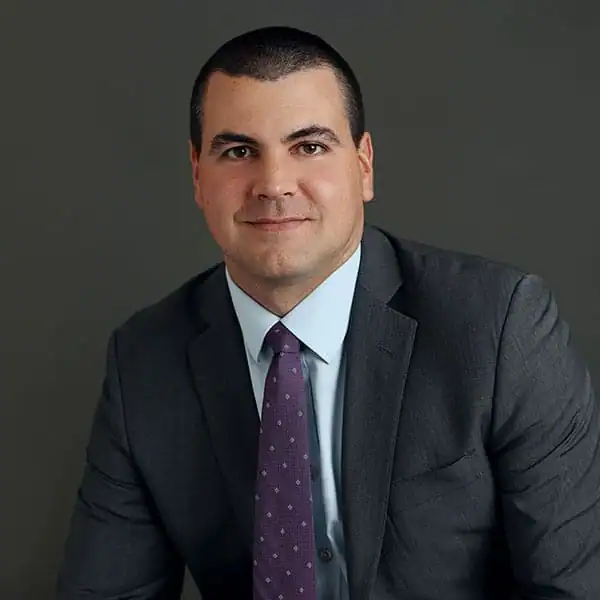
Donald McLamb focuses primarily on family law, but real estate concerns often play a central role in divorce settlements, separation agreements, and asset division. Donald regularly assists clients with legal issues tied to the marital home, investment properties, and jointly owned real estate.
His ability to evaluate property value, clarify ownership rights, and structure equitable distribution agreements helps clients protect their financial futures during major life transitions.
His focus areas include:
- Marital home division in divorce
- Evaluating and dividing investment real estate
- Drafting settlement terms involving property
- Advising clients on property rights during separation
Jesse T. Coyle
Partner
Jesse Coyle is a versatile practitioner whose work frequently overlaps with real estate law, particularly in matters involving contracts, civil disputes, and business interests. He provides guidance on property-related agreements, lease negotiations, easement issues, and land-use conflicts. Jesse’s analytical approach makes him a trusted advisor for clients facing disputes involving property rights or contract interpretation, especially those requiring both negotiation skill and the readiness to litigate when necessary.

His focus areas include:
- Contract disputes involving property
- Easement, access & boundary issues
- Lease and landlord–tenant concerns
- Land-use and zoning conflicts
- Negotiation of property-related agreements
Robert J. Gallagher
Partner
Robert Gallagher brings strong transactional and dispute-resolution experience to the firm, handling matters that touch real estate, business ownership, and property-related civil claims. His balanced practice allows him to advise clients on the financial and legal implications of acquiring, selling, or protecting real property. Whether reviewing contracts, assisting investors, or addressing conflicts between property owners, Robert provides calm, capable counsel rooted in practical problem-solving.

- Purchase and sale contract guidance
- Investment property assessments
- Review of financial and legal risk in real estate deals
- Property-related civil disputes
- Advising owners on property rights and liabilities
Associate Attorneys Contributing to Real Estate Matters
Austin M. Chestnut
Associate Attorney
Austin Chestnut supports the firm’s real estate and civil practice through thorough legal research, document preparation, and assistance with property-related disputes. His growing experience includes support in contract review, title work, and resolving common issues that arise during closings or property transfers. Clients appreciate his attention to detail and his commitment to helping ensure smooth, accurate real estate transactions.

- Title review and document preparation
- Research on land-use and property issues
- Supporting closings and real estate transactions
- Assisting in property-related disputes
Samuel V. Luchansky
Associate Attorney
Samuel Luchansky contributes to the firm’s real estate work by assisting with property contracts, land-use questions, and disputes involving property owners. His background in civil litigation gives him valuable perspective when real estate matters escalate into disagreement or require formal legal action. Samuel's thorough case preparation and client-first approach make him a valuable member of the real estate team.

- Property contract disputes
- Research and preparation for real estate litigation
- Land-use and zoning concerns
- Boundary or access conflicts
Alexa K. Parker
Associate Attorney
Alexa Parker’s primary focus is estate planning, but her work regularly intersects with real estate law. Many estates include residential homes, land, investment property, and inherited real estate assets. Alexa helps clients structure wills, trusts, and succession plans that account for property ownership, tax considerations, and smooth transfer of real estate to beneficiaries. Her guidance ensures that property assets are protected and passed down efficiently and legally.

- Property transfers through wills & trusts
- Advising clients on inheritance of real estate
- Helping families avoid probate complications
- Structuring estates to protect property value
Real Estate Law FAQ
Do I need an attorney for a real estate closing in North Carolina?
Yes. North Carolina law requires an attorney to oversee and conduct real estate closings. This includes reviewing the title, preparing closing documents, verifying lender requirements, collecting and disbursing funds, and ensuring the deed is properly recorded. Without an attorney, the transaction cannot be legally completed.
What does a real estate attorney check during a title search?
A title search examines the property’s ownership history and any issues that could affect the buyer. Attorneys look for liens, unpaid taxes, easements, boundary disputes, encroachments, restrictive covenants, outstanding mortgages, and clerical errors. If problems are found, the attorney works to resolve them before closing so the buyer receives clear, marketable title.
What is the difference between residential and commercial real estate transactions?
Residential transactions typically involve homes and lots intended for personal use, with standardized contracts and simpler due diligence. Commercial transactions are more complex and may involve zoning reviews, environmental studies, multi-party negotiations, custom contracts, and large-scale financing. Because the stakes and risks are higher, commercial buyers especially benefit from experienced legal counsel.
What should I bring to a real estate closing?
Buyers usually need a government-issued ID, proof of homeowner’s insurance, a certified or cashier’s check (unless wiring funds), and any documents requested by their lender. Sellers typically need identification, keys, HOA details, and any required payoff information. Your attorney will provide a specific list beforehand.
What should I do if a real estate dispute arises after closing?
Contact your attorney immediately. Many disputes — such as boundary issues, contract breaches, undisclosed defects, or title problems — can often be resolved through negotiation or correction. When needed, your attorney may recommend mediation or litigation. Early legal intervention typically leads to faster, more cost-effective solutions.