

What Is Uninsured Motorist Coverage in North Carolina?
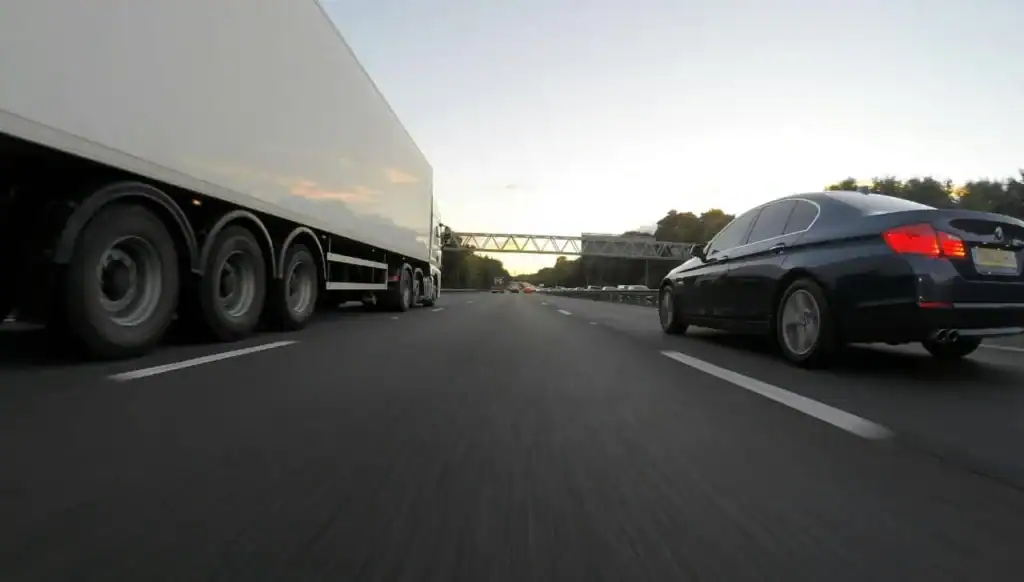
Car insurance is required by almost every state in the country, but in 2019 an Insurance Research Council Report revealed that 12.6 percent of motorists—around one in eight —were uninsured. That’s not a comforting statistic for those of us who are on the road regularly.
North Carolina requires drivers to carry specific types of car insurance coverage, including liability insurance and uninsured motorist coverage, to ensure protection in case of accidents involving uninsured or underinsured drivers. That’s where uninsured motorist insurance comes in; a safety net designed to protect you in the unfortunate event of an accident with a motorist who does not have insurance.
Table of Contents
What Is Uninsured Motorist Coverage?

Uninsured motorist coverage is a type of auto insurance that steps in to cover medical expenses, property damage, and other losses when you’re involved in an accident with a motorist who is uninsured or underinsured. Uninsured motorist cover is one of the required coverages in North Carolina’s auto insurance policies.
Only those who are legally entitled to recover damages from an uninsured driver can access uninsured motorist cover.
North Carolina’s mandatory uninsured motorist coverages must be included in every policy, along with liability insurance.
Uninsured Motorist Coverage in North Carolina
Uninsured motorist coverage in North Carolina pays for a number of expenses in the event of a car accident with an uninsured driver or an uninsured vehicle.
This coverage applies to the person driving the insured vehicle at the time of the accident.
In these cases, the at fault party is typically the uninsured driver.
Bodily Injury Coverage
Uninsured motorist coverage in North Carolina typically includes protection for bodily injuries, helping pay for medical expenses, rehabilitation, and other related costs if you or your passengers sustain bodily injuries in an accident with an uninsured or underinsured driver.
However, contributory negligence may prevent recovery under this coverage if the injured party is found partially at fault for the accident.
Property Damage Coverage
This aspect of uninsured motorist coverage can assist in repairing or replacing your vehicle and other property damaged in an accident with an uninsured or underinsured motorist. Policyholders can recover damages for property loss caused by an uninsured driver. The amount you can recover is subject to the policy limit.
Hit-and-Run Incidents
Uninsured motorist coverage often extends to hit-and-run accidents where the at-fault driver cannot be identified or located. However, under the “Contact Rule,” uninsured motorist coverage may not apply if there was no physical contact between your vehicle and the hit-and-run (phantom) vehicle. These requirements are in place to prevent fraudulent claims and ensure only valid claims are paid. North Carolina courts have consistently upheld the Contact Rule in hit-and-run cases, reinforcing the importance of following proper procedures to avoid denial of coverage due to fraudulent claims. This provision ensures that you’re still protected even if the responsible party flees the scene.
Stacking Options
In North Carolina, you may have the option to “stack” your uninsured motorist coverage. This means you can combine the coverage limits for each vehicle insured under your policy, rather than being limited to the coverage for just one vehicle. Stacking may also apply to relatives living in the same household, potentially broadening your protection. By stacking, you can increase the highest limits available for a claim, offering greater financial security in the event of severe injuries or damages.
Uninsured Motorist Coverage Limits
When purchasing uninsured motorist coverage, you’ll need to decide on coverage limits. These limits represent the maximum amount your insurance company will pay per person or per accident, and they should align with your individual needs, potential risks, and the amounts required by North Carolina law.
If the fault driver’s insurance is insufficient to cover your damages, your underinsured motorist policy can provide additional coverage. UIM coverage helps bridge the gap between your losses and the fault driver’s policy limits, offering important financial protection in these situations.
Car Accident Scenarios Involving Uninsured Motorists
Car accidents involving uninsured motorists can create significant financial and legal headaches for everyone involved. In North Carolina, uninsured motorist coverage is built into every car insurance policy to help protect you when the at fault driver doesn’t have enough insurance—or any at all. This essential motorist coverage ensures that you’re not left paying out of pocket for expenses that should be covered by the responsible party’s insurance.

Imagine you’re involved in a collision where the other driver is at fault, but they don’t carry liability insurance. Without uninsured motorist coverage, you could be responsible for your own medical expenses, lost wages, and property damage. With the right coverage in place, your own car insurance company steps in to cover medical expenses for you and your passengers, repair or replace your vehicle, and even help with lost wages if your injuries prevent you from working.
Uninsured motorist coverage also applies in situations where the at fault driver has some insurance, but not enough to cover the full extent of your losses—this is where underinsured motorist coverage comes into play. For example, if your medical bills and property damage exceed the other driver’s policy limits, your underinsured motorist coverage can help bridge the gap, so you’re not left with unpaid expenses.
These protections are especially important in hit-and-run accidents, where the responsible driver cannot be identified. In such cases, your uninsured motorist coverage can help you recover compensation for your injuries and damages, even when the other driver is unknown.
Understanding how your car insurance policy works in these scenarios is crucial. Reviewing your coverage limits and making sure you have adequate protection can make a significant difference if you’re ever involved in an accident with an uninsured or underinsured driver in North Carolina.
What Car Insurance Is Required in North Carolina?
North Carolina requires all drivers to carry minimum liability and uninsured motorist coverage as mandated by state law. State law specifies that these coverages are necessary to drive legally in North Carolina. Insurance companies operating in North Carolina must offer these required coverages to all drivers.
In order to drive legally in North Carolina, you will need a certain amount of liability insurance, in addition to uninsured motorist coverage.
Drivers in North Carolina need liability insurance that meets the 30/60/25 requirements of the state. That means you’ll need:
- $30,000 in bodily injury liability coverage per person
- $60,000 in bodily injury liability coverage per accident
- $25,000 in property damage liability coverage per accident
The requirements for uninsured motorist coverage in North Carolina are similar, again following the 30/60/25 rule.
- $30,000 in uninsured/underinsured motorist bodily injury coverage per person
- $60,000 in uninsured/underinsured motorist bodily injury coverage per accident
- $25,000 in uninsured motorist property damage coverage per accident
Penalties for Being an Uninsured Motorist in North Carolina
Driving without insurance is serious offense in North Carolina, and can result in some harsh penalties.
Additionally, being caught without insurance can negatively impact your standing with your own insurance company, potentially resulting in higher premiums or even policy cancellation.
Fines
Individuals caught driving without insurance may face fines imposed by the state. The amount of the fine can vary, and it often depends on factors such as prior offenses and the specific circumstances of the violation.
Vehicle Registration Suspension
North Carolina has the authority to suspend the registration of a vehicle if the owner is found to be driving without insurance. This means the vehicle owner cannot legally operate the vehicle until proper insurance coverage is obtained and registration is reinstated.
Driver's License Suspension
In addition to registration suspension, the driver’s license of the individual caught driving without insurance may also be suspended. License suspension periods can vary based on factors such as prior offenses and the duration of the lapse in insurance coverage.
Reinstatement Fees
To reinstate a suspended registration or driver’s license, individuals typically need to pay reinstatement fees. These fees can add a financial burden to the already existing consequences of driving without insurance.
Insurance Points
North Carolina uses a point system to track driving offenses. Driving without insurance can result in the accumulation of insurance points, potentially leading to increased insurance premiums. This may also impact future driving privileges.
SR-22 Requirement
In certain cases, individuals caught driving without insurance may be required to file an SR-22 form with the Department of Motor Vehicles (DMV). An SR-22 is a certificate of financial responsibility, and its filing is often mandated for high-risk drivers.
Legal Consequences
Driving without insurance is a legal offense in North Carolina, and individuals may face legal consequences such as court appearances and potential civil liabilities, especially if they are involved in an accident while uninsured.
Recommended Car Insurance in North Carolina
While liability insurance is required to cover bodily injury and property damage that you may cause in an accident, and uninsured motorist coverage protects you if you’re involved in a collision with an uninsured driver, these minimum requirements may still leave you vulnerable. Uninsured motorist coverage is especially important if you are hit by an uninsured at fault driver, as it helps you seek compensation for your losses when the at fault driver failed to carry enough insurance. These additional coverages can help you recover damages in situations where the at-fault driver failed to provide sufficient coverage.
In addition to uninsured motorist coverage and liability coverage, drivers in North Carolina might also consider the following coverages:
Comprehensive Coverage
Recommended for non-collision incidents like theft, vandalism, or natural disasters.
Collision Coverage
Advised to cover repair or replacement costs for your vehicle in case of a collision.
Personal Injury Protection (PIP)
Worth considering for medical expenses, lost wages, and related costs for you and your passengers, irrespective of fault.
Health insurance can also play a role in covering medical expenses after an accident, but having the right auto insurance coverages ensures you have multiple ways to seek compensation for damages not covered by the at-fault driver.
Final Word: What Is Uninsured Motorist Coverage in North Carolina?
In North Carolina, uninsured motorist coverage is more than just a recommended addition to your auto insurance policy—it’s a requirement. As you navigate the roads, this coverage provides a layer of protection that can make all the difference in the unfortunate event of an accident with an uninsured or underinsured motorist.
If you have questions about insurance requirements or have been involved in an accident with an uninsured driver, the attorneys at Van Camp, Meacham & Newman can help you understand your rights and explore potential options for resolution. In certain circumstances, signing a general release can limit your ability to recover further compensation, especially through underinsured motorist coverage. Seeking legal advice can also help prevent fraudulent claims and protect your rights. Schedule your free consultation using the form below, or give us a call today at 910-295-2525.